


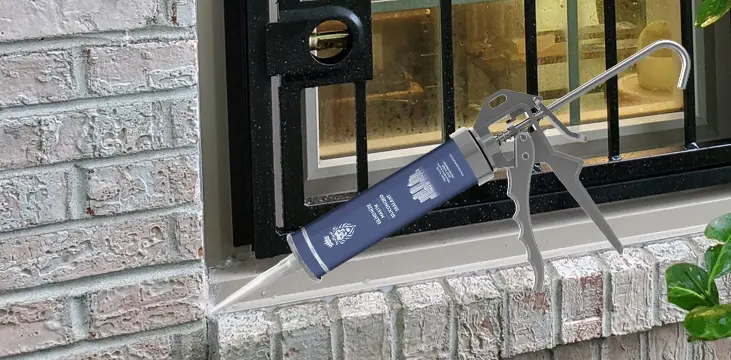
Applications of Siliconized Sealant on Glass, Aluminum, and Wood
Siliconized sealant is a flexible filler material that can be used safely and effectively on various surface types. It provides both sealing and an aesthetically pleasing appearance on glass, aluminum, and wood surfaces.
Application on Glass Surfaces
Using sealant on glass surfaces requires caution:
- The gaps between the glass edges and the frame must be completely filled.
- Care should be taken to avoid the formation of air bubbles during application.
- Avoid touching the glass surface during the drying period.
- Flexible lines are created to adapt to surface movements.
Application on Aluminum Surfaces
For sealing aluminum profiles, siliconized mastic is preferred.
- The gaps between aluminum and other surfaces must be filled with a continuous line.
- The surface must be clean and dry, free of oil or dirt.
- The surface may be primed if necessary before applying the sealant.
- By paying attention to the curing time, a long-lasting seal is ensured.
Application on Wooden Surfaces
Siliconized sealant is used on wooden surfaces for both sealing and aesthetic purposes:
- Wood joints and edge gaps must be filled.
- Wooden surfaces must be clean and dry.
- The sealant should be applied in a way that adapts to the natural movements of the surface.
- Avoid contact during the drying period, and clean up any excess material as needed.
Conclusion
Siliconized sealant provides both sealing and aesthetic appeal on glass, aluminum, and wood surfaces. With the correct application techniques, a long-lasting and reliable solution is achieved.
The information in this text may vary from time to time depending on the manufacturer. Always check the product label.


